How to pronounce haruspex — and its tricky plural, haruspices. Audio, IPA, respelling and the common mistakes, from the team behind haruspicy.

Practical guidance for working haruspices. Hepatoscopy, splenic readings, and auxiliary divination.
Professional Resource
How to pronounce haruspex — and its tricky plural, haruspices. Audio, IPA, respelling and the common mistakes, from the team behind haruspicy.
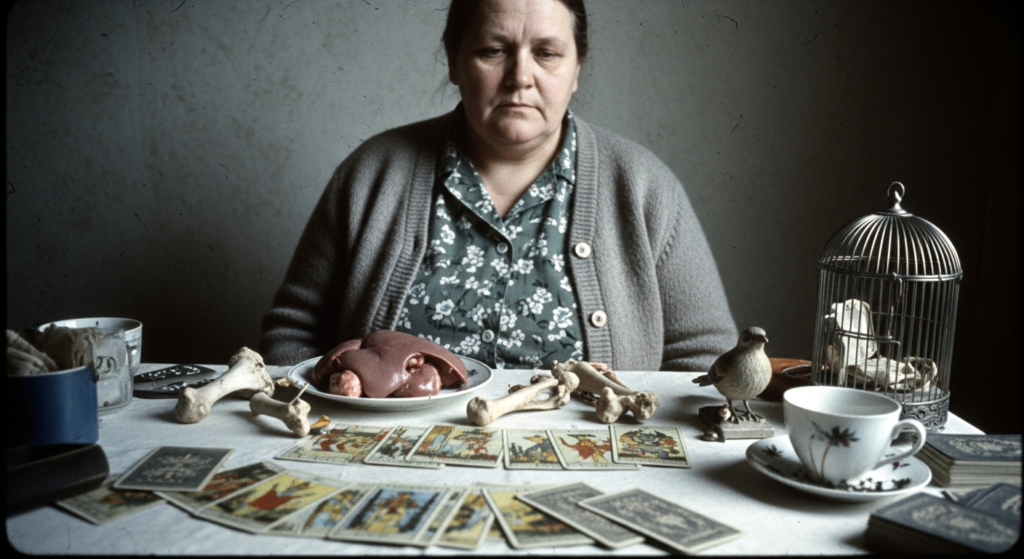
A field guide to the types of divination — from haruspicy and extispicy to augury, ornithomancy and beyond — and where liver-reading fits among them.
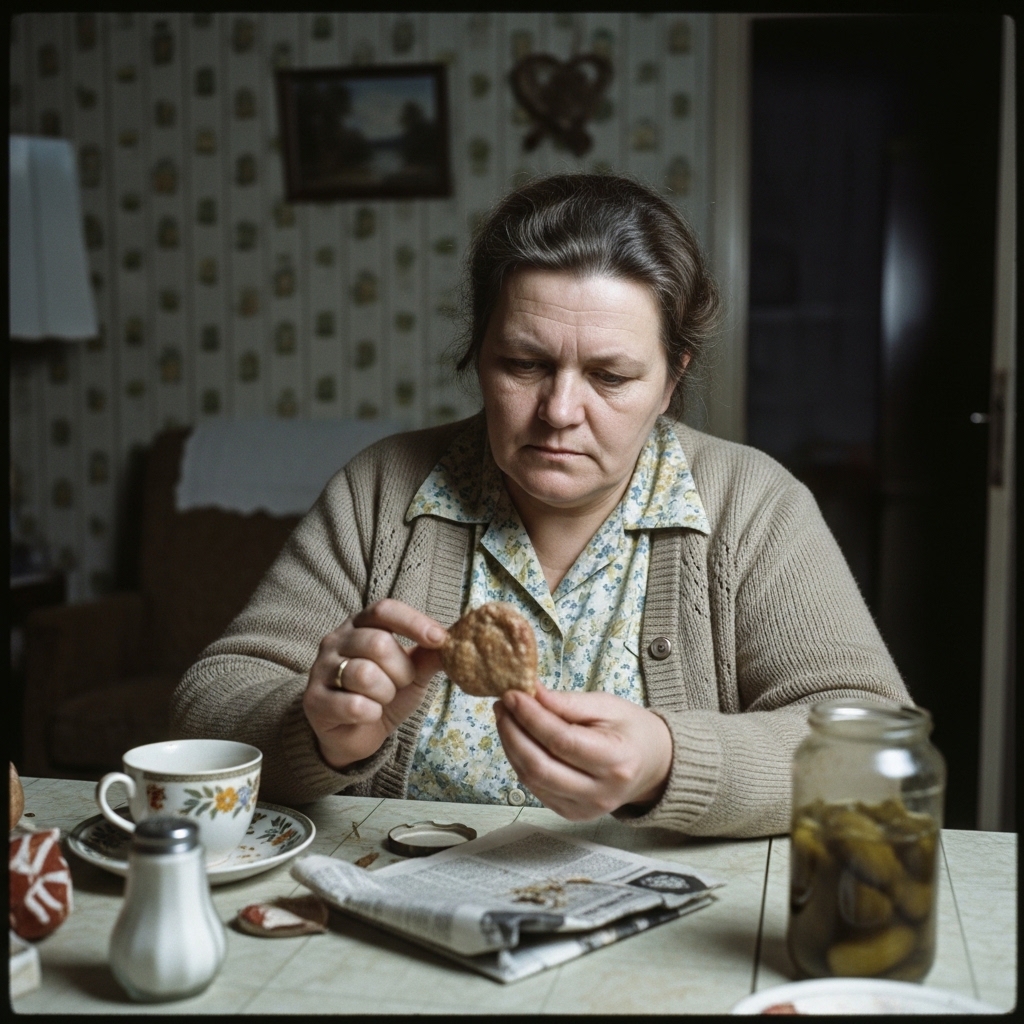
Spleen shadows are among the most regionally variable indicators in haruspical practice, and misreading them is a persistent source of interpretive error. This article examines how geography, local energy signatures, and residential history bear on shadow presentation — and how practitioners can adjust their interpretive framework accordingly.

Is haruspicy still practised? A look at modern haruspicy — revivalists, hobbyists and historical re-enactors keeping liver-reading alive in the 21st century.
Haruspicy vs extispicy explained: extispicy is reading entrails in general; haruspicy is the liver-focused Roman branch. The difference, in plain English.
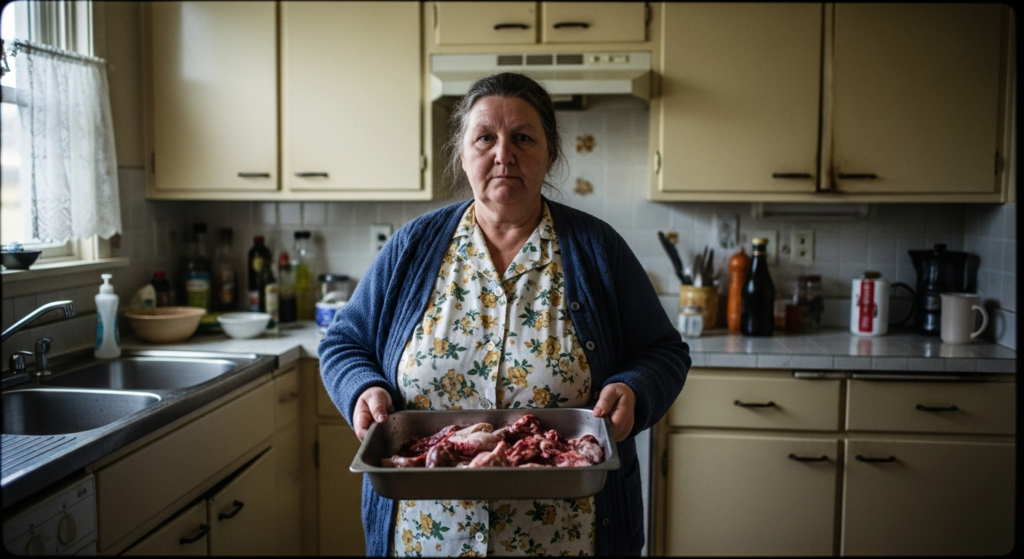
What is a haruspex? The Roman (originally Etruscan) priest who read animal livers for omens — what they did, how they trained and how to say the word.

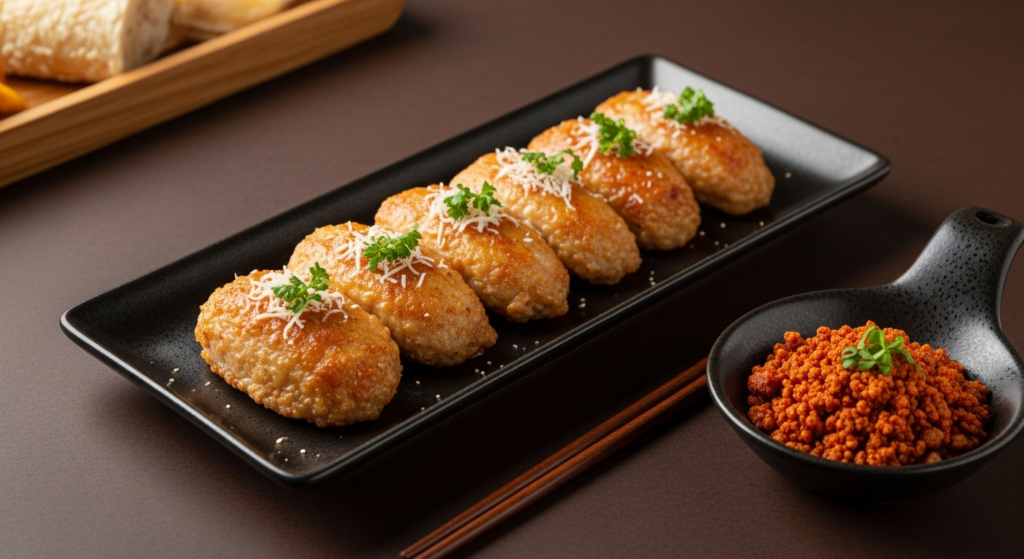
Can a Chicken McNugget legitimately function as a divination substrate? This practitioner's assessment examines the energetic theory, practical field reports, and symbolic dimensions of fast food haruspicy — and arrives at a cautiously sceptical but genuinely curious conclusion.
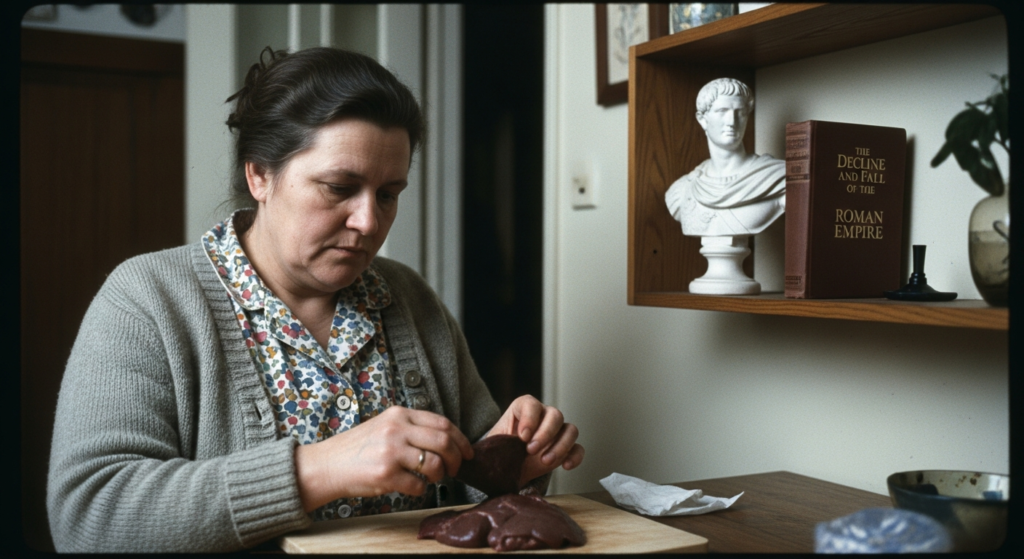
Haruspicy in ancient Rome: its Etruscan origins, the role of the haruspices in state religion, and the famous readings that shaped Roman decisions.

How did haruspicy work? The classical ritual step by step — the sacrifice, the inspection of the liver, the marked regions and how a reading was interpreted.
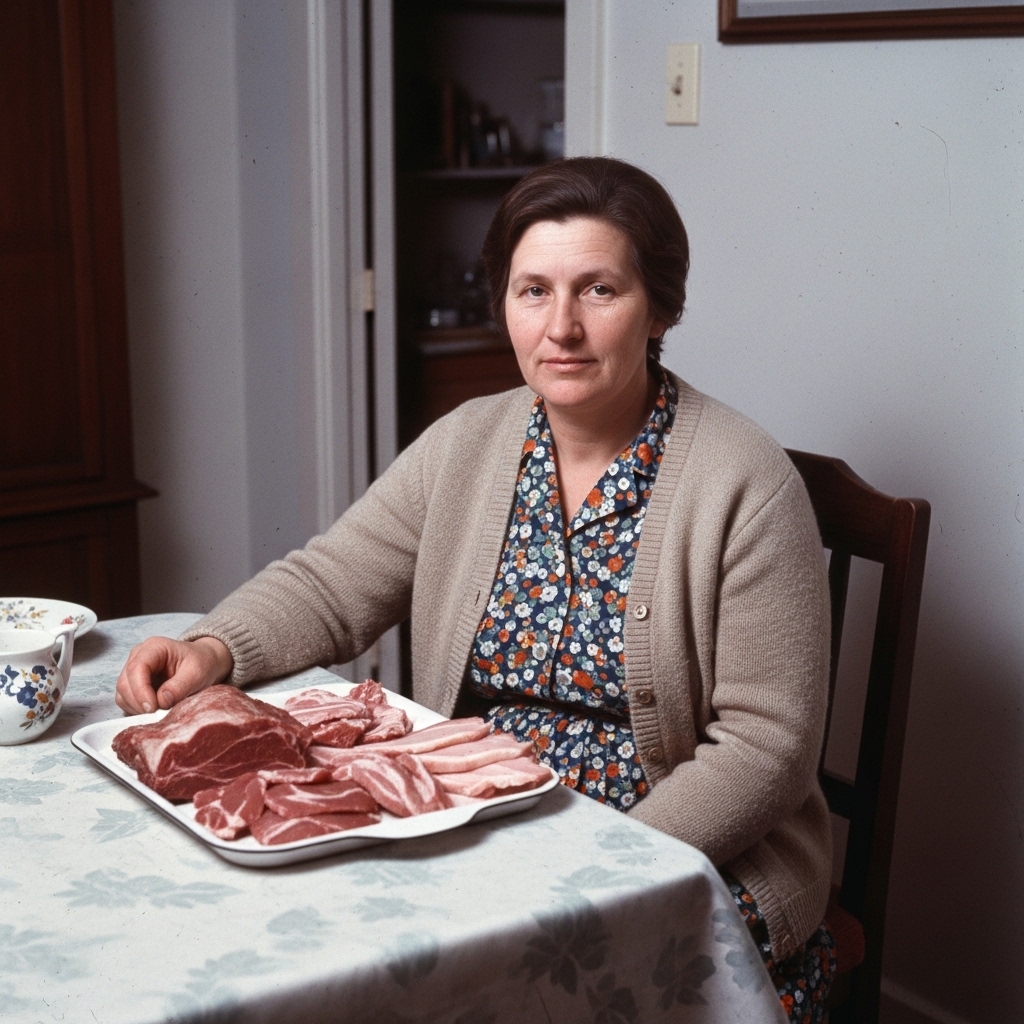
Entrail alignment theory holds that the spatial relationships between organs carry as much interpretive weight as the condition of any individual organ. This article sets out a unified model accounting for morphology, positional axes, environmental factors, and individual variation. It is written for practitioners who wish to move beyond sequential organ-by-organ readings towards a more systematic and communicable methodology.